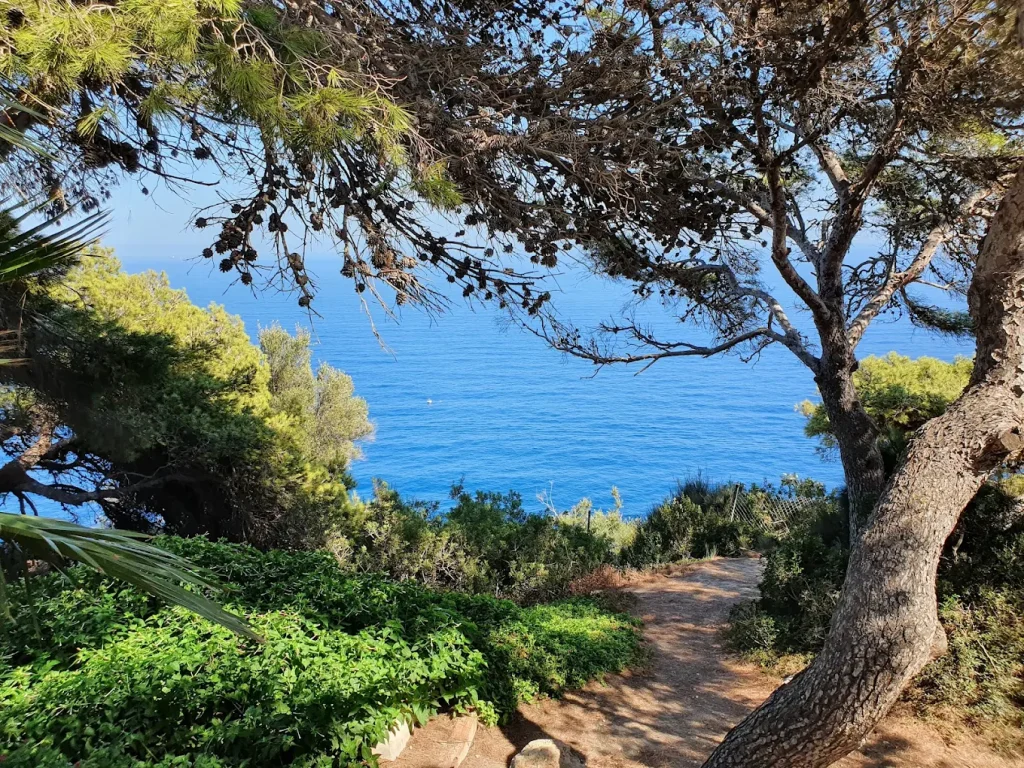
Cabo de la Nao in Jávea is a place where you will enjoy enviable views. It is the easternmost point of the Alicante coast, a natural balcony over the Mediterranean to admire the vistas the sea has to offer.
In addition to spectacular views, the Cabo de la Nao viewpoint features sea caves that look like something out of an adventure movie. On clear days, you can even spot the island of Ibiza.
Here we show you everything you need to know to enjoy it to the fullest, from where it is and how to get there without any trouble to ideas for a perfect full-day plan.
Where is the Cabo de la Nao Viewpoint? Location and Key Points
Cabo de la Nao is located in Jávea, at the easternmost tip of the peninsula in this area, a few kilometers south of the town center and very close to other gems like Cabo de San Antonio or Cabo Prim.
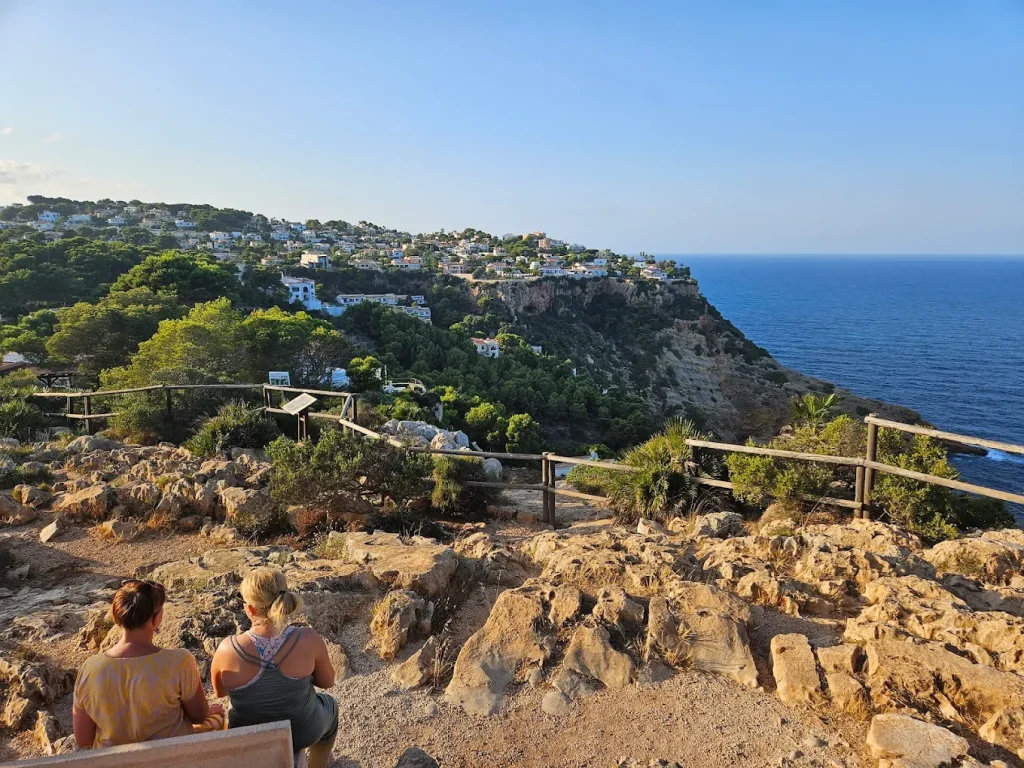
It is a rocky headland that juts out into the sea and is part of the famous Jávea Viewpoint Route, a tour with fifteen panoramic spots that will make you fall in love with the coastline.
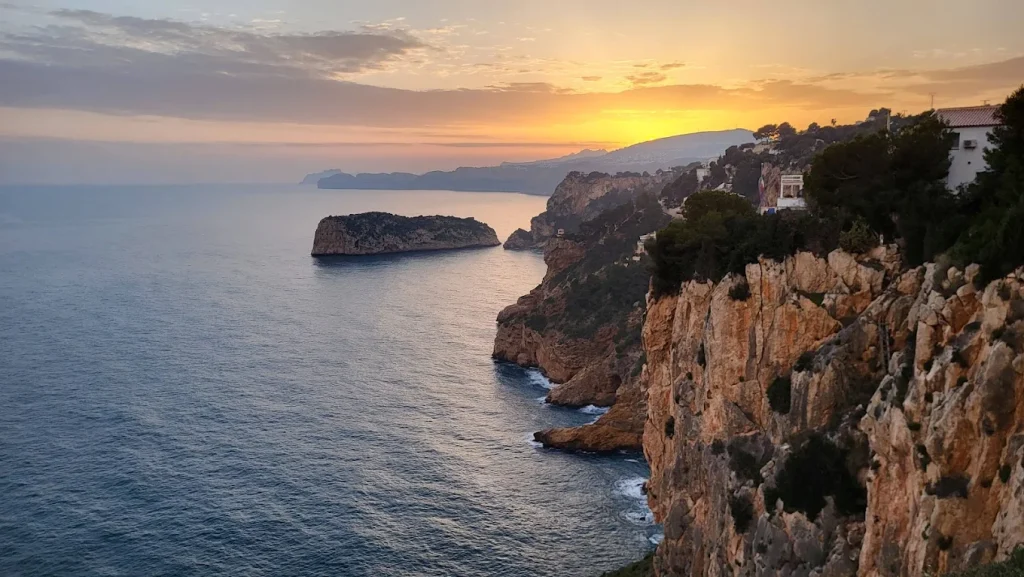
At the top of the cape stands the Cabo de la Nao Lighthouse, an octagonal building in operation since 1928 and situated over 100 meters above sea level. Next to the lighthouse, you will find the Cabo de la Nao viewpoint, with several areas where you can contemplate sea caves, coves like Ambolo or Barraca, and even the island of Descubridor.
How to Get to Cabo de la Nao: Map, Access, and Stress-Free Parking
Getting to Cabo de la Nao is quite simple, especially by car. The cape is well-signposted from the town of Jávea and is accessed by road heading south, following the signs for Cabo de la Nao/Cap de la Nau.
If you are leaving from the center of Jávea, just follow the road that climbs toward the residential areas and southern viewpoints, heading toward Cabo de la Nao, and you will be at the top in a few minutes.
From Moraira, the usual route is to take the coastal road toward Jávea and follow the signs to the cape, enjoying powerful views of the coastline along the way. If you are coming from further away, such as Denia or Oliva, you can follow the N-332 and then take the turn-off toward Jávea, finally continuing toward the cape via local roads.
As for parking, there is a parking area at the entrance to the lighthouse grounds and areas to leave your car, although it is best to arrive early on weekends or during high season. The best advice is to avoid peak midday hours in summer and opt for the morning or late afternoon.
What to Do Near Cabo de la Nao in Jávea: Plans to Complete Your Day
Cabo de la Nao is the perfect hub for a day spent among viewpoints, coves, and great food. The entire surrounding area is full of sea caves, hidden coves, and panoramic views that can easily be combined into one day.
Some ideas include heading down to nearby coves like Cala Ambolo, with deep waters ideal for diving, or Cala de Barraca, famous for its fishermen’s houses and the islet facing the shore.
A perfect plan is to follow the Jávea Viewpoint Route, which includes spectacular views like those of Cabo de San Antonio or Cabo Prim. If you want to make a gastronomic stop in Jávea or the surrounding area, the restaurants won’t disappoint; try their rice dishes or fresh fish while enjoying the sea views.
A perfect day plan could start at the Cabo de la Nao viewpoint first thing in the morning, then head down to a nearby cove for a swim, and in the afternoon visit the rest of the viewpoints or the promenade to finish with a dinner overlooking the horizon.
Frequently Asked Questions Before Your Visit to Cabo de la Nao
What is the best time to go to the Cabo de la Nao viewpoint?
Sunrise and sunset are the prime moments, when the light turns golden and the sea changes tones, creating an ideal landscape for photography and for simply taking it all in. During the middle of the day, the sun is strong, especially in summer, so it’s better to avoid those hours if you want to walk comfortably and not get scorched.
How much time do I need for the visit?
If you only want to visit the viewpoint, 30 to 45 minutes will be plenty of time to walk around the area, see the lighthouse, and stop by the terraces. If you are also going to combine it with nearby coves, other viewpoints, or a gastronomic stop, allow for half a day or a full day, as the area offers much more than just a quick visit.
Is it suitable for children?
Yes, it is a place that can be visited perfectly as a family, although you should be careful near the cliffs and always respect the barriers and signposted areas. It is not a complicated hiking route, but it is an environment where you need to stay alert, especially if it is windy or if the little ones are very curious about the edges.
Is it usually windy? What should I bring?
Being on an elevated and exposed cape, it is quite common for the wind to blow, especially on days when the weather is changing or at certain times of the year. Always wear comfortable footwear, bring a light layer of clothing if it’s not mid-summer, sunscreen, a hat, and water, because the Mediterranean sun can be intense even when there’s a breeze.
Come Discover Cabo de la Nao and Stay Nearby to See It Without Rushing
Cabo de la Nao is one of those Costa Blanca spots that should be enjoyed slowly. The best way to do this is to sleep nearby and use the area as a base to organize trips to other coves, do the route, or discover those sea caves.
Don’t hesitate to contact us to book your apartment on the Costa Blanca. This way, you can move at your own pace, without worries, and enjoy all the hidden corners this paradise has to offer.