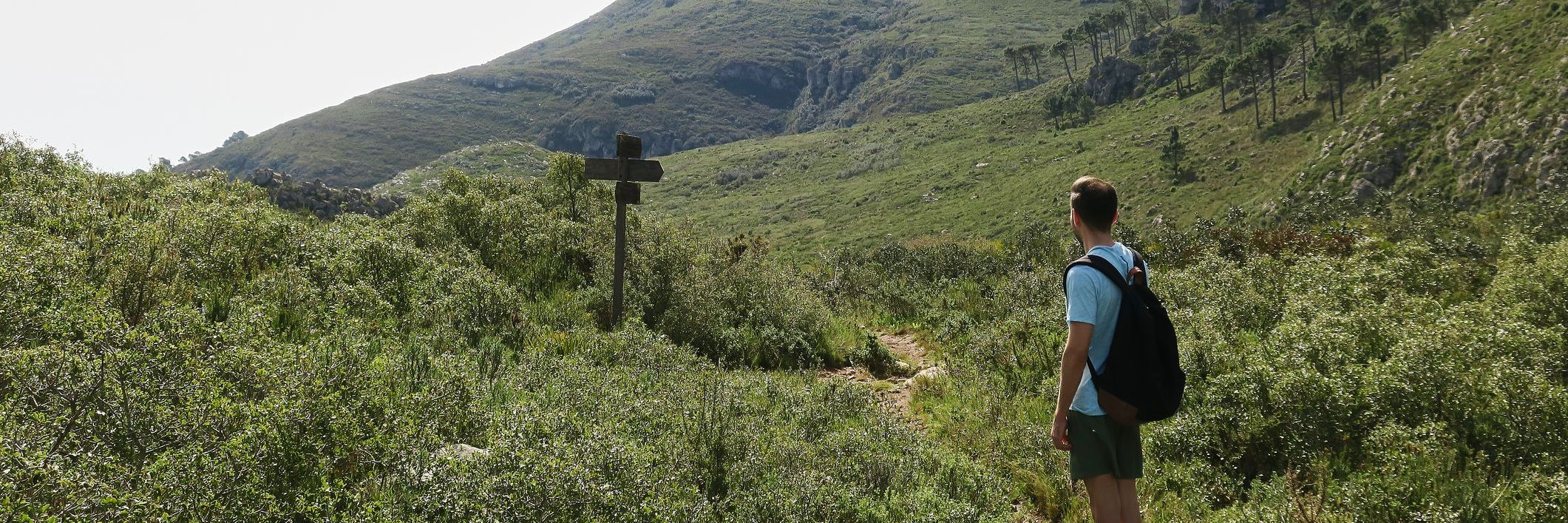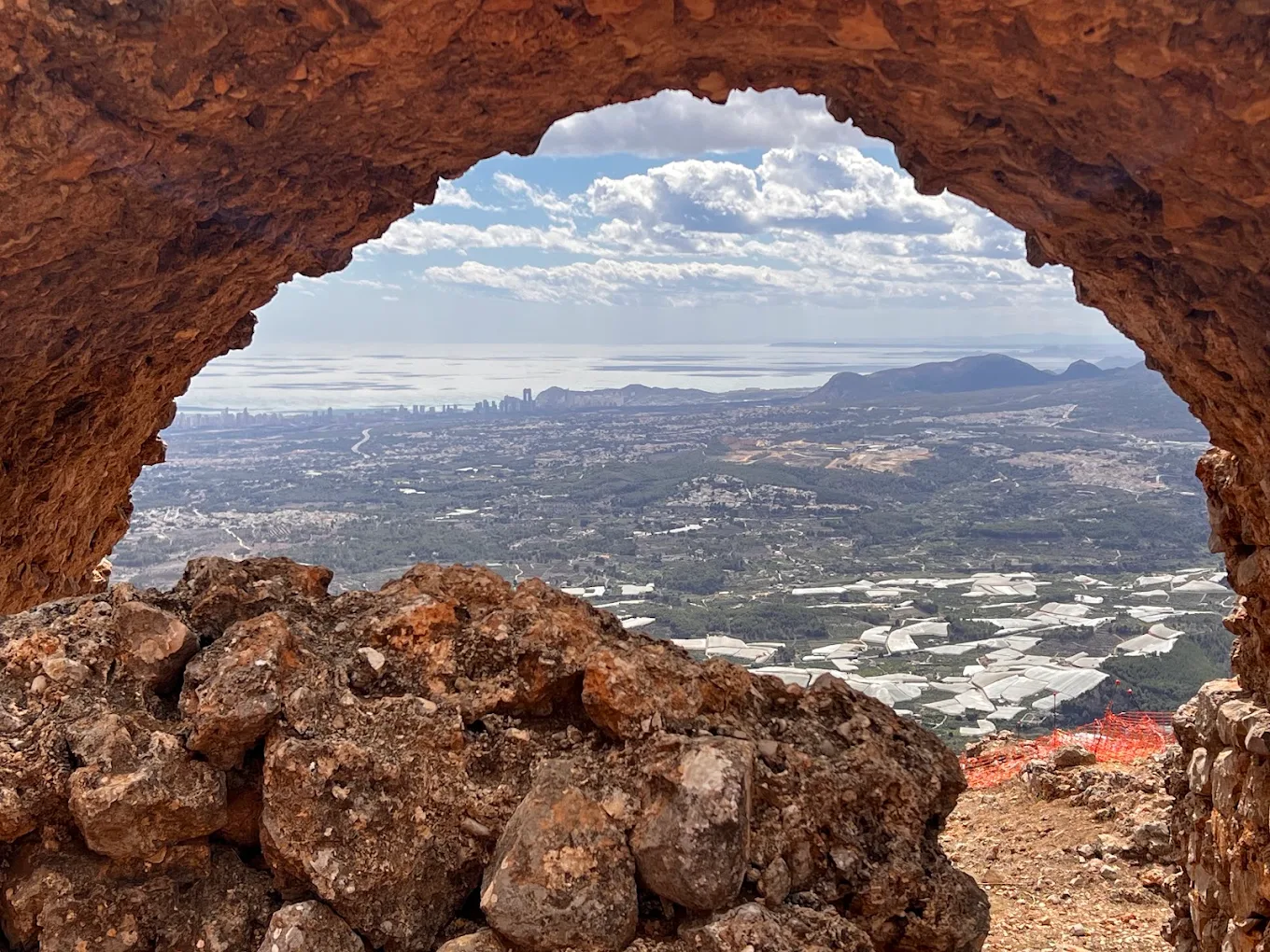
One of the best things about Oliva is that you can fill several days at the beach without trying too hard. But, if you feel like a change of scenery, very close by you have a plan that swaps the sand for boardwalks and paths through rice fields.
We’re talking about the Salinar River, in the Pego-Oliva Marshland, a great option for spending a few hours walking and observing the wetlands. Here, you’re more interested in looking at things slowly than simply clocking up miles. In fact, the walk gets much better when you stop wondering how much further it is.
Today we’ll help you locate the Riu Salinar and explain how to organize your visit by reviewing the different stops in the area. Keep reading!
The Salinar River and the water that gives life to the marshland
The Salinar is one of the tributaries of the Bullent and is part of the water system of the Pego-Oliva Marshland Natural Park. The landscape is fed by rivers and springs, known locally as ullals, where groundwater surfaces.
When you walk along the riverbed, it becomes easier to understand what a marshland is. The water appears among the vegetation, crosses irrigation ditches, and connects different spaces in the wetland. It is a network of environments that depend on each other.
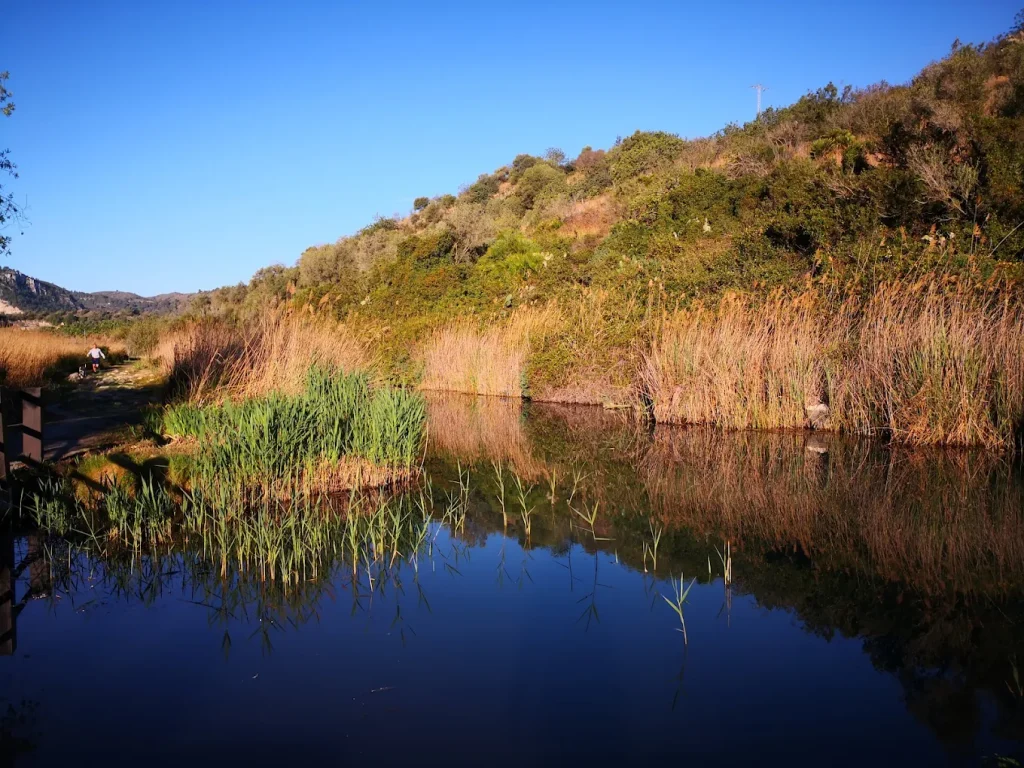
The name Salinar might lead you to imagine salt pans, but the tourist route runs through a wetland. To organize your visit, look for the Pego-Oliva Marshland and the area around Muntanyeta Verda.
It’s also worth distinguishing the river from Font Salada, another stop in the area. They are related to the local water landscape, but they aren’t two names for the same place. Check the location of both if you want to combine them.
Natural spaces and landscapes by the Salinar
A visit to the river is one of those moments on your trip that requires stopping for a second, taking your eyes off your phone, and delighting in unique moments that you’ll only experience here.
Pay attention to the small details
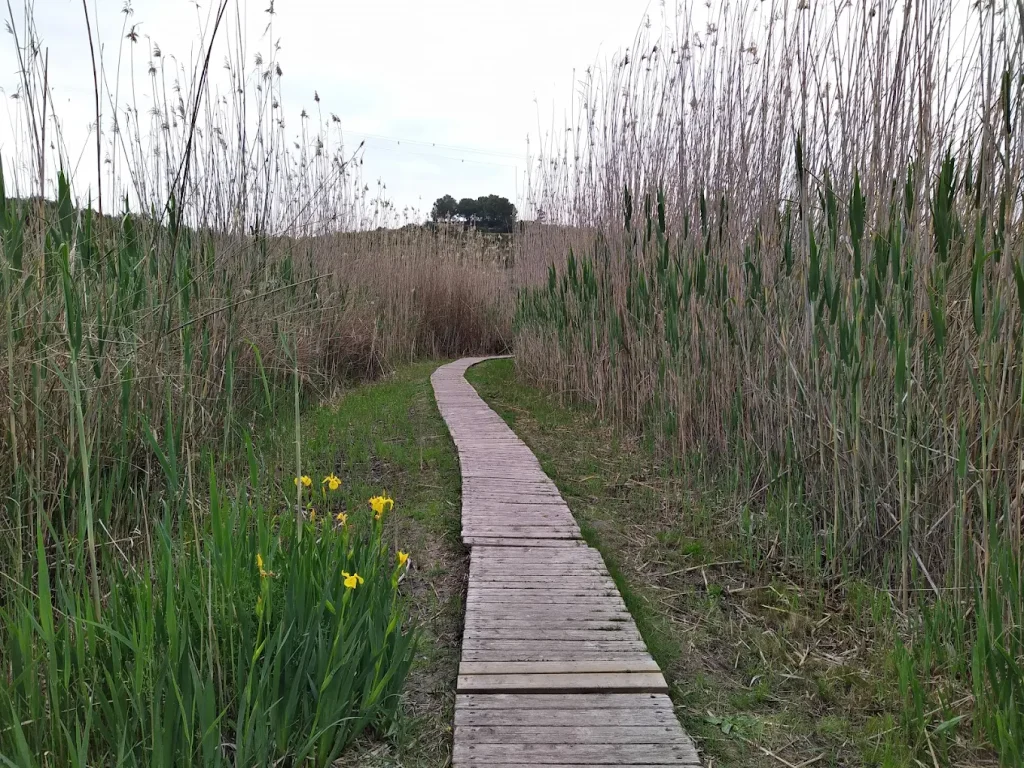
The Salinar area allows you to get close to the water via paths and sections of boardwalks. The route has a simple charm, consisting of moving through the vegetation and seeing what moves along the riverbed.
You don’t need to recognize every species to enjoy it. If you’re going with children, you can turn the walk into an observation game. Look for insects and notice the plants growing in and out of the water. Just remember, don’t pick them or approach the animals. Respect above all.

Get to know the rice fields and the changing seasons
The rice fields are part of the marshland landscape. Their appearance changes throughout the crop cycle, so don’t expect to find exactly the same picture at any time of the year.
That transformation makes it worth visiting again. A flooded field, the rice growing, and a plot after the harvest offer different images. They are also working spaces: keep access points clear and stay on the paths.
Muntanyeta Verda
This small hill is one of the landmarks for orienting yourself in the park and allows you to view the wetland from another perspective when access is permitted. We advise you to check its status before including the climb and, if you find it closed, continue along the open itineraries.
The best hiking routes by the Salinar River
One option to start is to head to the car park located near Muntanyeta Verda and follow the signs for the itinerary along the river. From this sector, you can explore the boardwalks and adapt the outing to the time you have available.
For a first visit, set aside a quiet morning instead of calculating the walk to the minute. The actual time will depend on the section you choose, the stops you make, and if you add any detours. Walking, taking photos, and returning the same way is also a perfectly valid excursion.
Bring water, sunscreen, and comfortable shoes. The paths can be wet or muddy after rain and it’s best not to assume that all sections are suitable for strollers. If you need an accessible route, check which parts are specially prepared.
In the warmer months, heading out early is usually more pleasant. You’ll avoid the hottest hours and have time to finish the walk, have a relaxed lunch, and keep enjoying the area.
What else can you see and do nearby?
If just visiting the Salinar River isn’t enough for you, here are three viable options for plans you can easily do.
Birdwatching
The marshland has ornithological itineraries and receives birds at different times of the year. Binoculars help, but the most useful thing is to stop and let the landscape start moving again after your arrival.
There is no list of guaranteed sightings, so be prepared for the fact that you might see a lot of activity or have a quieter morning. In both cases, walking through the wetland is already a top experience.
Visit Font Salada
Font Salada allows you to complete the outing with another water-related stop. Oliva Tourism suggests routes that connect this spring with the marshland environment. Decide beforehand if you’ll get there by walking, cycling, or as a separate trip.
End the day in Oliva
After the walk, you can head back to Oliva for lunch or go to the beach. It’s a combination that lets you get to know the natural landscape without spending the whole day in the car.
Come and discover the Salinar River during your holidays
The Salinar River fits perfectly into a getaway where you want to alternate between the sea and nature. If you don’t want to overfill your schedule, just choose a section, bring what you need, and simply respect the rhythm of the place.
Book your apartment in Oliva with On Travel and add the Pego-Oliva Marshland to your next few days off. The beach can wait a few hours. We promise you that when you get back, it’ll still be there.